

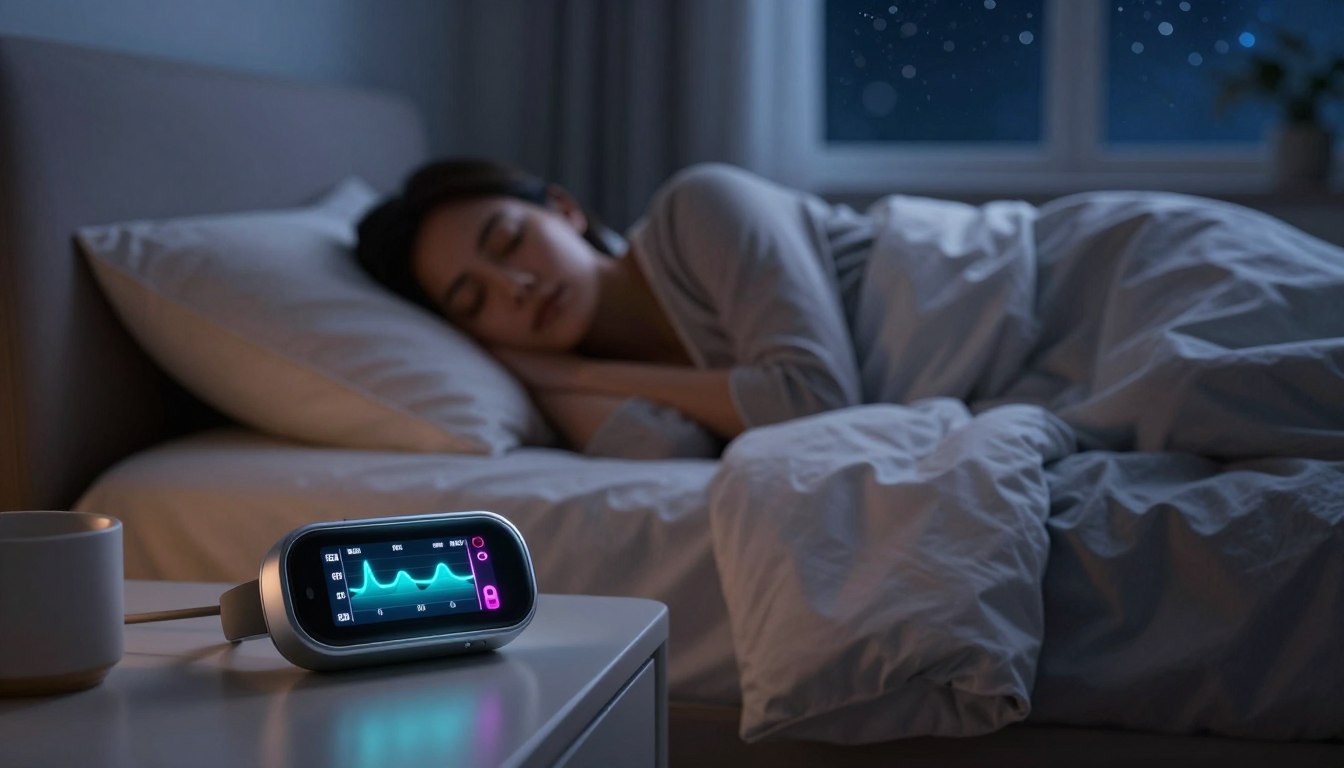
Modern technology has transformed how individuals approach conscious awareness during their nightly rest. Devices that monitor physiological patterns now offer unprecedented insights into the optimal windows for achieving conscious dream states.
These advanced tools detect specific phases of the sleep cycle, particularly the periods most conducive to conscious dream exploration. The potential benefits extend beyond simple pattern recognition, offering users deeper understanding of their unique rest architecture.
A growing community of enthusiasts worldwide utilizes these technologies to enhance their dream practices. What was once considered an esoteric skill has become more accessible to both beginners and experienced practitioners alike.
This comprehensive guide provides detailed information about technical setup procedures and optimization strategies. Readers will discover practical methods to bridge dream research with personal application.
Key Takeaways
- Modern devices monitor physiological signals to identify optimal dream windows
- Conscious awareness during rest offers unique personal insights
- Technology makes advanced dream practices accessible to everyone
- Understanding personal patterns increases success with conscious states
- Proper setup and optimization are crucial for effective results
- The global community continues to grow and share knowledge
- Practical application bridges research with personal experience
Understanding REM Cycles and Lucid Dreaming
During particular stages of nightly rest, the mind enters a unique state where reality and imagination blend in extraordinary ways. This intersection creates opportunities for remarkable mental experiences.
What is REM Sleep and Its Role in Dreaming?
REM (Rapid Eye Movement) represents a distinct phase characterized by specific physiological markers. Brain activity increases significantly while the body remains largely paralyzed.
This stage recurs approximately every 90 minutes throughout the night. Each cycle lengthens progressively, with final periods extending up to an hour.
| Time Period | REM Duration | Dream Intensity | Conscious Awareness Potential |
|---|---|---|---|
| First Cycle (1-2 hours) | 10-15 minutes | Low | Minimal |
| Middle Cycles (2-5 hours) | 20-30 minutes | Moderate | Developing |
| Final Cycles (5-7 hours) | 45-60 minutes | High | Optimal |
The Benefits and Mysteries of Lucid Dreaming
Conscious awareness within dreams represents a fascinating bridge between waking and dreaming states. Individuals maintain awareness while exploring their subconscious landscape.
“I discovered that I could remain conscious during the transition into sleep and observe the process of falling asleep.”
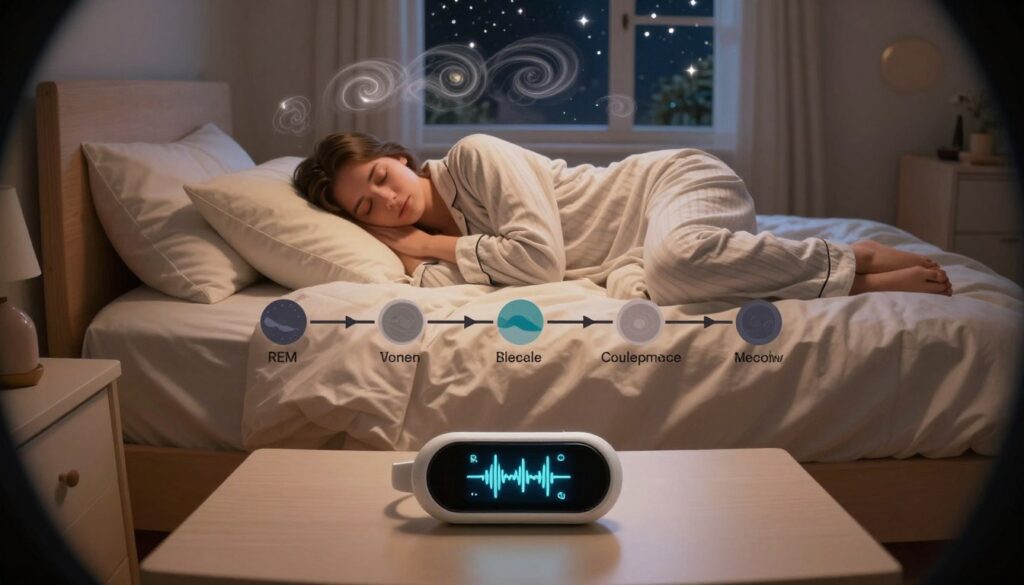
Research demonstrates numerous advantages to this practice. Enhanced creativity and problem-solving abilities emerge from this unique consciousness state.
Many practitioners report reduced nightmare frequency and improved psychological well-being. The experience offers profound insights into the mind’s capabilities.
Setting Up and Using Sleep Trackers
Getting started with a monitoring application requires careful attention to initial setup steps. Users should first download the software from an official app store like Google Play.
The installation wizard will guide them through granting necessary permissions. Microphone and motion sensor access are typically required for the device to function correctly.
Installation and Initial Configuration
After installation, locating the specialized features is crucial. In apps like Sleep as Android, users can find these settings by navigating to Settings → Sleep tracking → Lucid dreaming.
An alternative path is Settings → Services → Smart light → Lucid dreaming. This menu contains all the configurable parameters for optimal support.
Adjusting Sensitivity and Audio Cue Settings
Fine-tuning the settings personalizes the experience. The Sensitivity option determines how the app detects phases and triggers cues.
Starting with a medium sensitivity level is recommended. Users can adjust it later based on their personal results.
Configuring the audio cues is another vital step. The default sound is often a voice stating, “You are dreaming.”
Volume should be set to be audible but not jarring. The Preview function lets users test the cues beforehand.
| Setting | Purpose | Recommendation |
|---|---|---|
| Sensitivity | Adjusts REM detection accuracy | Start with medium, then customize |
| Ringtone | Selects the audio cue sound | Test different options for comfort |
| Force Headphones | Directs sound to headphones only | Essential for private or shared spaces |
| Repeat | Sets number of cue repetitions | 2-3 times often works well |
Other useful features include the Later setting, which delays the first cue. This targets longer, deeper phases later in the night.
The Repeat setting controls how many times cues play. This information helps users create an effective configuration.
Sleep Tracking for Lucid Dreaming Techniques
Advanced cueing systems represent the cutting edge of conscious awareness technology. These methods use sophisticated algorithms to detect optimal moments for intervention.
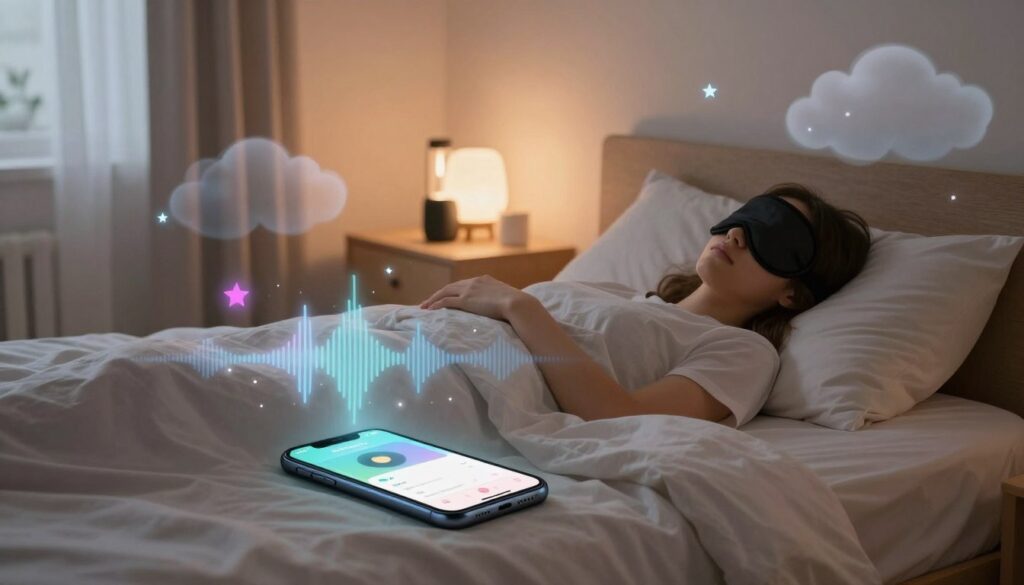
Applications analyze movement and breathing patterns through smartphone sensors. This activity monitoring accurately identifies REM phases without medical equipment.
Utilizing Audible Cues and Vibrations
Audible cues serve as reality anchors during dream states. The technology delivers familiar sounds at precise moments in the REM cycle.
Headphones provide ideal audio delivery by isolating the sound from environmental noise. This maintains stimulus effectiveness while preventing disturbance.
Vibration-based cues offer an alternative sensory channel. Devices like Pavlok allow independent control of vibration intensity and patterns.
Technical Features and Device Integration
Wearable integration enhances cue delivery through intimate physical contact. Connected devices provide vibrations directly to the wrist during optimal phases.
Customization represents a key feature of modern systems. Users can adjust intensity levels based on personal sensitivity and experience.
| Cue Type | Delivery Method | Best For | Customization Options |
|---|---|---|---|
| Audio Cues | Headphones/Speakers | Beginner/Intermediate | Sound selection, volume, timing |
| Vibration Cues | Wearable devices | All experience levels | Intensity, pattern, duration |
| Combined Cues | Multiple devices | Advanced practitioners | Sequencing, intensity balance |
Many users begin with gentle vibrations before incorporating additional stimulus types. This progressive approach builds mental recognition without causing awakening.
Best Practices for Inducing Lucid Dreams
Mastering conscious awareness during rest requires more than just technology. The most successful practitioners combine device usage with mental preparation and consistent habits.

Training Your Mind and Setting Intentions
Mental preparation forms the foundation for successful conscious experiences. Users should familiarize themselves with their device’s specific cues during waking hours.
Reality testing throughout the day builds crucial awareness habits. Simple checks like examining text or pushing a finger through the palm create questioning patterns.
The MILD technique works beautifully with tracking technology. Before rest, users repeat intentions like “I will recognize I’m dreaming” while visualizing cue recognition.
Establishing a Consistent Sleep Routine
Regular patterns significantly improve induction success. Consistent bedtimes strengthen natural rhythms and make REM phases more predictable.
Quality rest directly impacts conscious awareness potential. Avoiding alcohol before bed and maintaining cool room temperatures create optimal conditions.
The Wake Back to Bed method aligns perfectly with device features. Waking after 5-6 hours, then returning to rest targets prime conscious awareness windows.
Some practitioners use gentle interruptions every 10-15 minutes after 5 hours. This cycling approach helps maintain consciousness at the dream threshold.
Leveraging Modern Technology and App Integrations
Today’s interconnected devices create powerful ecosystems that enhance conscious exploration. Wearable technology like smartwatches and specialized masks sync seamlessly with monitoring applications.
These integrations provide precise physiological data for optimal phase detection. Heart rate and movement patterns create accurate profiles of nightly cycles.
Synchronizing with Wearables and Smart Devices
Modern applications like LucidMe offer comprehensive journal platforms. Users can immediately record their experiences upon waking.
Voice dictation features allow entry creation without full awakening. This preserves detailed memories that might otherwise fade quickly.
The technical process involves Bluetooth pairing and data sharing protocols. Wearables transmit real-time information to companion applications.
| Integration Type | Data Collected | Primary Benefit | Compatibility |
|---|---|---|---|
| Smartwatch Sync | Heart rate, movement | Real-time REM detection | iOS/Android |
| Specialized Mask | Eye movement, brain waves | High accuracy phase tracking | Proprietary apps |
| Voice Journaling | Dream narratives | Immediate memory capture | Most platforms |
Exploring Advanced Features in Dream Journals and Analysis Apps
Advanced interpretation tools analyze symbolic content and emotional themes. Pattern recognition algorithms identify recurring elements across entries.
Social features enable sharing experiences with other practitioners. Community wisdom helps people understand their unique subconscious landscapes.
Subscription options unlock deeper analysis capabilities. These include dream mapping, extended storage, and meditation support functions.
When selecting devices, consider comfort during rest and technical requirements. The right combination accelerates personal growth in conscious states.
Conclusion
Combining technological precision with mental discipline opens doors to extraordinary experiences that were once considered rare. Modern tools now make conscious awareness accessible to a growing number of people worldwide.
The journey requires patience and consistent practice over weeks or months. Most individuals need dedicated hours training their mind to recognize cues while maintaining awareness.
Successful practitioners enjoy enhanced control, improved creativity, and profound personal insights. These benefits extend beyond the dream state into waking life.
Begin with realistic expectations, focusing first on basic recall before expecting full lucidity. Treat this as a holistic practice combining technology with mental training.
The growing community continues to share knowledge and experiences. This collective effort sheds new light on consciousness exploration.
Extraordinary personal transformation awaits those who embark on this fascinating journey of mind exploration.